How to Grocery Shop Smart Without Sacrificing Quality
,
Grocery shopping doesn’t have to feel overwhelming or expensive. With a little planning and a few intentional habits, it’s completely possible to stay within budget while still bringing home high-quality food your household will enjoy. Over time, I’ve found that grocery shopping smarter isn’t about cutting corners — it’s about shopping with purpose.
Start With Weekly Store Ads
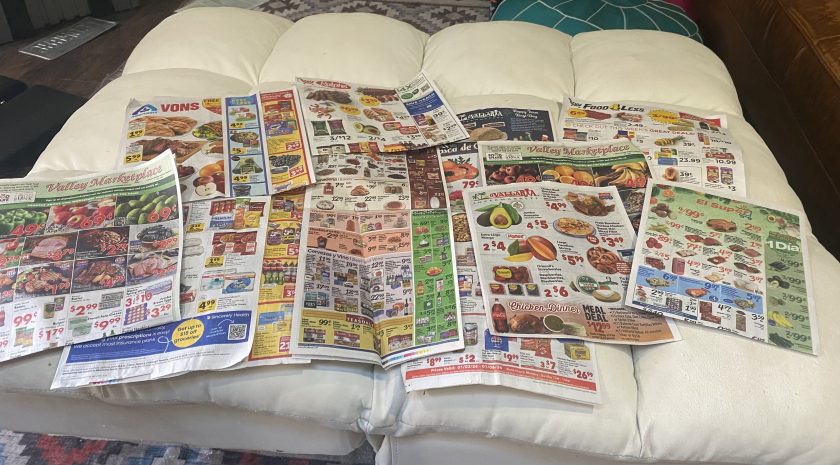
Before creating a grocery list, I always review **weekly store ads**. Most grocery stores publish them online or through their apps, and they provide valuable insight into what’s on sale that week. These ads help determine which store offers the best value and which meals to plan around current promotions.
It’s also helpful to pay attention to **sale cycles**, especially for meat and produce. Many stores rotate sales every one to two weeks, so when you notice familiar patterns, you can plan purchases more strategically.
Then Take Inventory Before You Shop
One of the simplest ways to save money is to shop your home first. Before planning meals or making a list, I check the **pantry,refrigerator, freezer, and shelves** to see what’s already available. This prevents duplicate purchases and encourages using ingredients that might otherwise be forgotten.
Keeping a short inventory list — or even photos on your phone — can make this process quick and effective.
Plan Meals With Intention
Menu planning is a cornerstone of budget-friendly grocery shopping. Whether you plan by day, week, or month, having meals mapped out reduces impulse buying and food waste.
Planning meals around sale items is especially effective. For example, if chicken or ground beef is discounted, I’ll plan multiple meals that use that protein in different ways throughout the week. Leftovers are also planned intentionally to stretch meals further.
Watch for Meat Markdowns and Stock Up
Meat is often one of the most expensive items on a grocery bill, which makes **markdowns and sales** especially valuable. When I see quality meat marked down due to sell-by dates, I purchase extra and freeze it immediately for later use.
Understanding your store’s markdown schedule can lead to significant savings over time, especially when paired with freezer storage.
Buy in Bulk When It Makes Sense
Bulk buying can be a great way to save money — when done thoughtfully. Staples such as rice, beans, pasta, oats, cheese, and frozen vegetables are often less expensive per unit when purchased in larger quantities. Bulk purchases work best for items you use regularly or can store safely long-term.
Shop More Than One Store (If Needed)
While convenience matters, shopping at more than one store can be worthwhile when sales are significant. I often purchase meat and pantry staples at one store and produce or dairy at another, based on pricing and quality. Planning these trips ahead of time helps maximize savings without adding unnecessary time or travel.
Use a Calculator While You Shop
Using a calculator or your phone to compare **unit prices** is a simple habit that ensures you’re getting the best value. Price per ounce or pound often reveals that a higher-priced item may actually be the better deal in the long run.
Final Thoughts
Grocery shopping well isn’t about buying the cheapest food available — it’s about being informed, organized, and intentional. By reviewing ads, planning meals, using what you already have, and shopping strategically, you can consistently stay within budget while maintaining quality.
With practice, these habits become second nature — and the savings add up without sacrificing the meals you love.
—
If you’d like, I can:
You must be logged in to post a comment.